
Blog
How to Open Your Waterproof Phone Case Safely and Easily
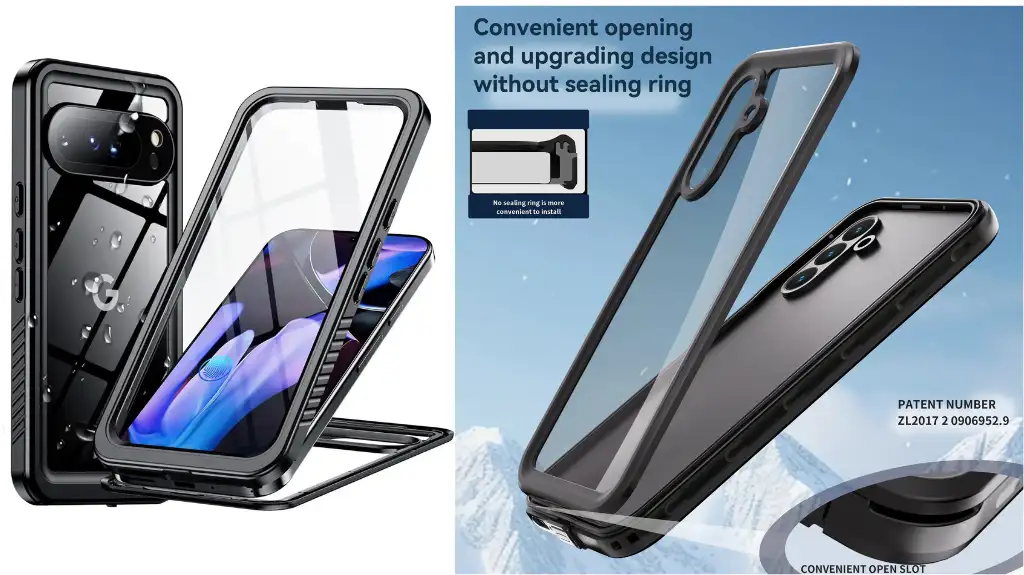
Aug
Waterproof phone cases are an essential accessory for anyone who leads an active lifestyle or spends time outdoors. Whether you’re lounging by the pool, hiking in the rain, or enjoying a beach day, a waterproof case ensures that your phone stays protected from water, dust, and other environmental factors. These cases offer peace of mind by safeguarding your phone against accidental spills, immersion in water, and other hazards.
However, opening a waterproof case might not be as intuitive as it seems. If you’ve never dealt with one before or if you’re unfamiliar with the particular type of case, it can feel like a tricky process. But don’t worry—by following a few simple steps, you’ll learn exactly how to open your waterproof phone case safely and efficiently, without causing damage to your device or the case itself.
In this guide, we’ll take you through the precise steps to open and close your waterproof phone case. We’ll also share some valuable tips for maintaining your case to ensure its effectiveness over time.
Step-by-Step Guide to Opening Your Waterproof Phone Case
1. Identify Your Waterproof Case Design
Before diving into the process, it’s important to understand the design of your waterproof case. There are several types of waterproof cases, each with its own mechanism for opening and closing. Identifying the type of case you have will help you follow the right steps and avoid damaging the case or your phone.
Here are the most common designs:
Hard Shell Cases: These are typically two-piece designs that feature a snap or latch system to secure your phone inside. Hard shell cases are often the most robust and provide extra protection for extreme conditions.
Pouch-Style Cases: These cases usually come with a zip-lock closure or roll-top seal. They’re lightweight and easy to use, offering basic protection from water and dirt. Pouch-style cases are commonly used for light outdoor activities.
Flip-Top or Clamshell Cases: Featuring a front flap that secures with Velcro, snaps, or magnets, these cases allow quick access to your phone while ensuring protection. Flip-top cases are perfect for people who want easy access without compromising safety.
Understanding the type of waterproof case you own will guide you in opening it safely and effectively. Each design has its own way of locking or sealing, so knowing which you have is key.
2. Locate the Opening Mechanism
Now that you’ve identified the case design, the next step is to find the opening mechanism. Different types of waterproof cases use different methods to seal and protect your phone, so it’s important to locate the correct system before attempting to open the case.
For Hard Shell Cases: These cases usually have a latch, clasp, or button on the side or edges. Look for a small button or latch near the perimeter of the case. This is the locking mechanism that secures the two halves of the case together.
For Pouch-Style Cases: Pouch cases are often sealed with either a zip-lock closure or a roll-top seal. Look for the zipper along the top or the roll-top section that you can unroll to expose the phone compartment. Some pouch cases may also have additional clips to further secure the seal.
For Flip-Top or Clamshell Cases: These cases typically feature a front flap secured by Velcro, snaps, or magnets. Look for the Velcro straps or the snap closure to open the flap. Some premium cases also feature magnetic seals, which simply require you to pull the magnetic flap apart.
By identifying the location of the opening mechanism, you’ll be able to unlock the case smoothly without causing unnecessary stress or damage.
3. Release the Lock or Seal
Once you’ve located the opening mechanism, it’s time to carefully release the lock or seal. Here’s how to handle each case type:
For Hard Shell Cases:
Unlocking the Latch or Button: Most hard shell cases have a locking mechanism on the side or edge. Press or slide the latch or button to release the lock. This will unlock the two halves of the case.
Separating the Two Halves: Once the lock is disengaged, gently pull the top and bottom parts of the case apart. Don’t apply too much force, as this could cause the case to break or deform. If the two parts are not separating easily, double-check that the latch or button is fully disengaged.
For Pouch-Style Cases:
Opening the Zip Lock or Roll-Tops: If your case has a zipper, pull it slowly and carefully to open the case. Avoid pulling the zipper too aggressively to prevent damage. For roll-top cases, unroll the top and fold it back to reveal the phone compartment. If the case has any clips, unfasten them to fully open the case.
Check for Dirt or Sand: Pouch-style cases often get exposed to dirt, sand, or other debris. Before opening, check for any particles that might interfere with the sealing mechanism. Clean the area carefully to maintain the waterproof integrity of the case.
For Flip-Top or Clamshell Cases:
Unfasten the Velcro or Snap: Pull the Velcro or snap closure gently. If the case uses magnets, pull the flap apart carefully. Some magnetic cases might require a little more effort to separate the two sides, but make sure not to rip or tear the material in the process.
By carefully releasing the lock or seal, you’ll prevent damage to both your waterproof case and your phone.
4. Carefully Remove Your Phone from the Case
After successfully opening the waterproof case, it’s time to remove your phone. This step requires care to avoid accidentally damaging your device or the case.
Lift the Phone Gently: Always lift the phone from the bottom or sides, making sure to avoid applying any unnecessary pressure. Gently slide the phone out of the case.
Don’t Force the Phone Out: If the phone doesn’t come out easily, don’t force it. Instead, double-check that the case is completely open and that there are no obstructions blocking the phone’s removal.
Taking your time during this step will help prevent damage to your phone or case.
5. Inspect the Seals Before Reassembling
Before closing the waterproof case again, it’s important to inspect the seals and locking mechanism to ensure everything is in good condition.
Check for Dirt and Debris: Inspect the rubber seals around the case for any dirt, sand, or moisture that could have accumulated. Dirt or debris can compromise the case’s waterproofing abilities. Clean the seals carefully with a soft cloth or a soft brush to remove any particles.
Look for Wear and Tear: Check for any signs of wear, such as cracks or fraying. If you notice any damage, it might be a good idea to replace the case or repair the seals to prevent leaks.
A thorough inspection ensures your case remains effective in protecting your phone.
6. Close the Case Properly
Now that your phone is safely removed and the seals are inspected, it’s time to close the case. Follow these steps for each type of waterproof case:
For Hard Shell Cases: Align the top and bottom halves of the case carefully. Press them together firmly to ensure a tight seal. Once the case is aligned, engage the locking mechanism (latch or button) to secure the case shut.
For Pouch-Style Cases: Make sure the zip-lock or roll-top seal is properly closed. If the case has additional clips or fastenings, double-check that they are tightly secured to ensure waterproofing.
For Flip-Top or Clamshell Cases: Close the flap and ensure that the Velcro or snap closure is secure. If the case uses magnets, ensure the flap aligns properly and the magnets seal the case effectively.
Properly closing the case ensures that your phone stays safe and protected, even in wet conditions.
Tips for Maintaining Your Waterproof Case
To ensure your waterproof case lasts and continues to protect your phone, regular maintenance is essential. Here are some tips:
Clean Regularly: Dirt, sand, and water deposits can compromise your case’s waterproofing. Clean your case regularly with fresh water and a soft cloth to remove any buildup.
Dry Thoroughly: After opening the case, make sure to dry both the inside and outside of the case to avoid moisture buildup. This will prevent any mold or mildew growth.
Inspect Seals for Wear: Over time, the seals in your case may degrade, compromising the waterproofing capabilities. Regularly check the seals and replace the case if you notice any damage.
Avoid Overstretching the Case: Don’t stuff more items into your case than it’s designed to hold. Overloading it can stretch the seals, making it more likely that water will leak in.
Conclusion
Opening and maintaining a waterproof phone case doesn’t have to be complicated. By understanding the design of your case, using the proper technique to open it, and regularly checking the seals, you can ensure that your phone remains well-protected from water and other elements.
Remember that a waterproof phone case is only as effective as the care you give it. By following these simple steps and taking care of your case, you’ll be able to enjoy peace of mind knowing your phone is safe no matter where your adventures take you.
For high-quality waterproof and water-resistant phone cases, visit Coralcase.ca. We offer a range of durable, reliable, and stylish cases to keep your device safe in any environment. Explore our collection today and ensure your phone is always protected!