
Blog
Galaxy S26 Plus Camera Rumors: Big Surprise Upgrade
Jan
Samsung’s Galaxy S phones have been a reliable pick for mobile photography for years. Whether you’re snapping night shots on a winter walk, taking portraits at a birthday dinner, or filming video at a concert where lighting is terrible, the Galaxy S lineup usually delivers results that look crisp, colourful, and ready for social media. It’s not perfect, and Samsung definitely has some habits (like boosting saturation and sharpening until it feels a bit “extra”), but overall, the brand is consistently near the top of the smartphone camera game.
Now, attention is shifting toward the Galaxy S26 Plus, and for good reason. The Plus model is often the “smart buy” in the lineup. It tends to land in that sweet spot where you get a bigger display and battery, premium features, and strong cameras without paying Ultra-level pricing. For a lot of people, the Plus is the flagship phone they actually want, not just the one Samsung wants you to want.
Rumours around the Galaxy S26 Plus camera suggest we may not see huge headline-grabbing hardware changes, but we could see meaningful improvements in zoom, image processing, and camera consistency. And honestly? Those are the upgrades that matter most. So the question is: Is the Galaxy S26 Plus getting real camera upgrades, or just new marketing?
Galaxy S26 Plus Camera Rumours
Let’s break down everything being whispered about the Galaxy S26 Plus camera setup, step by step, without the fluff.
2.1 Rear Camera Rumours (The Main Event)
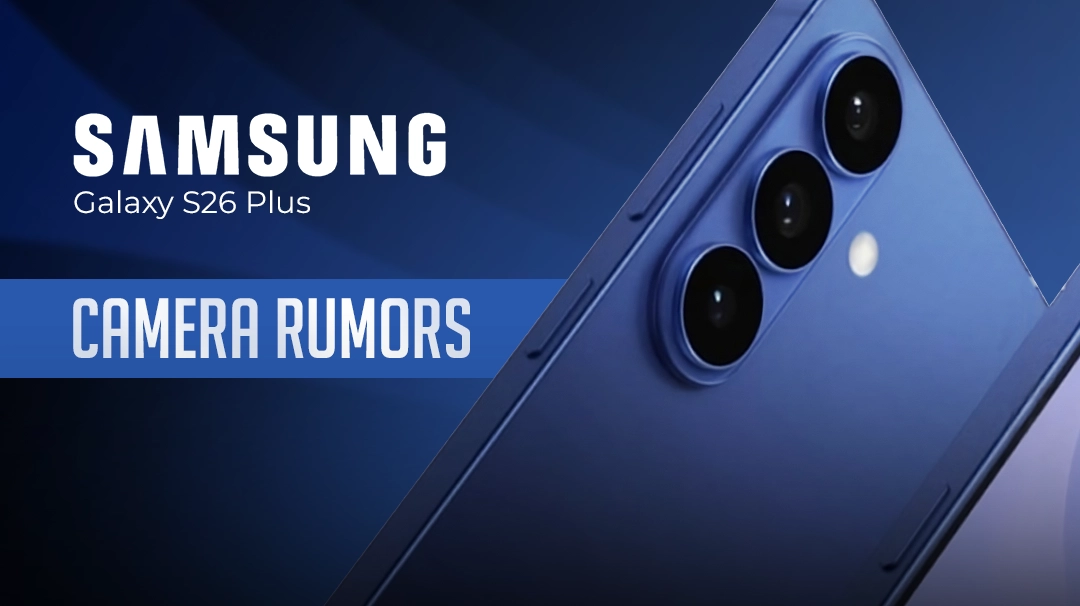
Samsung usually gives the Plus model a solid triple camera setup. The Ultra gets the fanciest sensors and extreme zoom hardware, while the Plus aims for balance. If the leaks are correct, the Galaxy S26 Plus is sticking with a similar three-lens formula but refining the areas where previous models didn’t feel fully “flagship.”
A) Main Rear Camera (Primary Sensor)
50MP May Stay, But That Doesn’t Mean “No Upgrade”
One of the most common rumours is that Samsung will likely keep a 50MP main camera on the Galaxy S26 Plus. On paper, that sounds familiar. But there’s a big difference between “same megapixels” and “same camera.”
Samsung can upgrade the camera experience without changing the megapixel number by improving:
the sensor itself
lens quality
stabilization hardware
processing algorithms
focus speed and tracking
A new 50MP sensor can produce noticeably better photos than an older 50MP sensor, especially in tricky lighting.
Sensor Size and Light Capture
If Samsung increases the sensor size (even slightly), that could be a meaningful upgrade. A larger sensor helps with:
low-light shots
indoor photos
dynamic range (keeping bright areas and dark areas balanced)
less grain and noise
smoother background blur
People obsess over megapixels, but sensor size is often the real secret behind better photo quality.
Pixel Binning Explained (Why Your 50MP Photos Often Aren’t 50MP)
Even with a 50MP sensor, most photos you take will likely save at around 12.5MP. That’s because of pixel binning, where the camera combines multiple pixels into one larger effective pixel to improve light capture.
Think of it like teamwork. The pixels band together to make a cleaner photo when lighting isn’t ideal. That’s why a 50MP sensor can outperform older 12MP sensors, even if the output resolution looks similar.
When lighting is excellent, you’ll still be able to shoot in full resolution for sharper details and cropping flexibility.
Autofocus, OIS, and Possible Aperture Tweaks
Samsung has been refining autofocus and stabilization for years, but there’s still room for improvement, especially with motion. Rumours suggest Samsung may tune:
autofocus speed
tracking accuracy
optical image stabilization (OIS)
motion handling in lower light
If Samsung improves shutter timing and stabilization, it could mean fewer blurry photos of kids, pets, and moving subjects indoors.
There’s also chatter that Samsung could refine lens and aperture behaviour for improved sharpness and reduced lens flare. That would be a welcome change, because lens flare has shown up in Galaxy photos more often than it should, especially in night scenes with bright streetlights.
Expected Image Quality Improvements
If Samsung’s main upgrades are in processing rather than hardware, you may see:
more natural skin tones
less aggressive sharpening
improved HDR balance
smoother highlight transitions
fewer oversaturated greens and reds
reduced lens flare and ghosting
better consistency between lenses
Even if the camera hardware looks similar, improved processing can make the phone feel brand new.
What This Means in Real Life
Here’s where it gets practical.
Night Shots
If Samsung improves sensor efficiency and night processing:
streetlights won’t blow out as harshly
shadows will look cleaner
night photos may have better contrast
moving subjects might look sharper rather than smeared
Samsung already produces bright night photos, but sometimes the images look overprocessed. Cleaner noise reduction and more realistic lighting would make a big difference.
Indoor Lighting
Indoor lighting is one of the hardest tests for smartphone cameras. It’s where you see odd colour casts, weak skin tones, and motion blur.
If Samsung improves indoor processing, you’ll likely notice:
better face tones under warm lighting
cleaner shadows
sharper results in motion
fewer “muddy” details
Motion Blur
If Samsung improves how fast it captures frames in dim conditions, you could get better shots of moving subjects, which is where Galaxy cameras sometimes lag behind iPhones and Pixels.
Portraits
Portrait mode is about more than blur. It’s about how realistic the blur looks, how clean the edge detection is, and how well the camera handles hair and complicated backgrounds.
If Samsung improves subject separation, portraits could look less artificial and more natural.
B) Ultra-Wide Camera Rumours
12MP Expected, But Sensor Quality Could Improve
The ultra-wide camera on Galaxy phones often sits around 12MP, and the Galaxy S26 Plus may stay there. The bigger question is sensor quality and processing.
Ultra-wide cameras can look great in daylight, but they tend to struggle with:
low-light noise
edge softness
distortion
colour mismatch compared to the main lens
Rumours suggest Samsung may be focusing on improvements like:
better distortion correction
sharper edges
better colour consistency
improved macro capability
Why the Ultra-Wide Still Matters
Ultra-wide shots aren’t just “travel influencer” photos. They’re useful for:
architecture
indoor spaces
landscapes
group photos
tight rooms where you physically can’t step back
If Samsung upgrades this lens even slightly, it becomes more reliable in everyday shooting.
C) Telephoto / Zoom Camera Rumours (The Juicy Part)
If there’s one area where the Galaxy S26 Plus might genuinely level up, it’s zoom.
Higher-Resolution Telephoto Could Finally Happen
Leaks suggest the Galaxy S26 Plus may get a higher-resolution telephoto sensor, potentially moving beyond the older 10MP zoom camera. If Samsung switches to a larger, higher-quality sensor, zoom photos could improve in several ways:
sharper detail
better low-light zoom performance
reduced noise
less aggressive digital sharpening
better subject separation in portraits
3x Optical Zoom Still Expected
The most likely optical zoom range remains around 3x, which is standard for many flagship phones. But even if the zoom level stays the same, improved quality at 3x can make a phone feel more premium because 3x is where most zoom use happens.
Why Telephoto Matters
Telephoto isn’t just about “getting closer.” It’s about how images look.
Portrait Photography
Telephoto portraits look more flattering because they compress facial features naturally. You avoid the slightly wide-angle distortion you can get with a main camera.
Concert Photography
A better 3x zoom camera can capture performers with more clarity, especially under harsh stage lighting.
Wildlife
You’ll still want more than 3x for serious wildlife, but improved base quality helps hybrid zoom look cleaner.
Stabilization
Zoom magnifies camera shake. If Samsung improves stabilization, zoom photos and videos become much more usable, especially in lower light.
S26 Plus Zoom vs S25 Plus Zoom
The Galaxy S25 Plus already provides decent zoom results, but it can fall behind in low light and fine detail. If Samsung upgrades the telephoto sensor, the S26 Plus could get noticeably better zoom clarity, especially in more challenging conditions.
D) Rear Camera Video Features Rumours
Samsung typically offers excellent video modes. The question is always how natural and stable the output looks compared to Apple, which tends to dominate video.
Improved Video Processing
If Samsung refines video processing, you might see:
more natural skin tones
better highlight control
less harsh contrast
smoother exposure changes while filming
Stabilization Improvements
Samsung could improve:
walking stabilization
low-light video stabilization
zoom stability
Better OIS combined with refined EIS would help handheld footage look steadier.
8K vs 4K: What Will Matter
Samsung may continue offering 8K, but the real benefit for most users will be:
better 4K sharpness
improved HDR video quality
stronger low-light video output
8K is a spec-sheet flex. Better 4K is what people actually use.
HDR Video and Colour
Expect improvements in:
dynamic range
smooth highlight transitions
richer but more natural colour output
Samsung has the capability to produce excellent HDR video. It’s a tuning and consistency game now.
Audio and Wind Noise
If Samsung improves audio processing and wind noise suppression, outdoor filming becomes much more pleasant. Nobody wants a video soundtrack that sounds like a leaf blower.
E) AI, Image Processing & Software
This may be the biggest upgrade area of all.
Samsung can improve camera performance dramatically by refining:
HDR blending
colour science
noise reduction
portrait edge detection
lens switching behaviour
night processing
Better Skin Tones
Samsung cameras sometimes push skin tones too warm or too smooth. Improved processing could make photos look more realistic without removing natural texture.
Reduced Lens Flare
Lens flare and ghosting can ruin night shots, especially around streetlights. If Samsung genuinely reduces it, that’s one of the most meaningful quality upgrades for real-world photography.
Smarter HDR
Samsung HDR can look impressive, but sometimes too “HDR-ish.” Better blending could produce a more natural look while keeping detail.
Better Portrait Edge Detection
Better subject separation means less weird clipping around hair, glasses, and complicated backgrounds.
Expert RAW and Manual Features
The Plus model often appeals to users who want great auto mode but also want manual controls. Improvements to Expert RAW and Samsung’s camera app could make the S26 Plus feel more like a true creator phone.
Hardware changes may be small, but computational upgrades can still feel like a generational leap.
2.2 Front Camera (Selfie Camera Rumours)
12MP Expected, With Processing Improvements
The front camera will likely remain around 12MP, with Samsung focusing more on processing upgrades.
Autofocus Possibility
If Samsung improves autofocus on the front camera, selfie sharpness becomes more reliable, especially:
in group selfies
in low light
when you’re holding the phone closer
Expected Improvements
Selfie upgrades may include:
better face HDR (less washed-out backgrounds)
less aggressive smoothing
better portrait cut-outs
improved low-light video calls
Samsung has a habit of over-smoothing selfies. If they tone that down, selfie quality improves instantly.
Selfie Video
Expect improvements in:
stabilization
HDR quality
low-light clarity for video calls
2.3 Camera Design & Physical Layout Rumours
Possible Camera Island Redesign
Samsung may adjust the camera layout, potentially shifting toward a raised camera island rather than individual rings. That could affect:
how stable the phone sits on a table
how thick the bump feels
how cases need to be designed
Body Thickness and Camera Bump
If Samsung keeps making the phone thinner, the bump might become more noticeable. That’s the price of better camera hardware.
Lens Durability
Samsung could improve lens cover durability, possibly using tougher materials for scratch resistance. That matters because lens scratches permanently affect photo quality.
Flash Placement
Minor flash placement changes can improve how portraits look, especially in low light.
Design and Daily Use
grip comfort
wobble
pocket feel
case compatibility
And yes, if the camera bump design changes even slightly, it can change which cases fit properly. A well-designed case should protect the bump without turning the phone into a brick.
Design changes matter because your camera bump is basically permanent furniture now.
2.4 Pixel Details & Photography Nerd Zone
Megapixels Aren’t the Whole Story
More megapixels don’t automatically mean better photos. What matters more:
sensor size
lens quality
processing
stabilization
A 50MP sensor with strong optics and processing can outperform higher megapixel cameras that rely on digital tricks.
Pixel Binning
Most 50MP cameras output around 12.5MP using binning, improving low-light performance and reducing noise.
Expected Improvements
If Samsung upgrades processing and stabilization, we may see:
better detail retention
more accurate colour
cleaner low-light results
smoother noise reduction
fewer artifacts in shadows
2.5 Galaxy S26 Plus Camera vs Competitors
Versus iPhone Pro
Apple usually wins on:
natural video
consistent colour
reliable skin tones
Samsung often wins on:
punchier detail
stronger zoom versatility
more creative camera modes
If Samsung improves skin tones and flare control, it could close a major gap.
Versus Pixel Flagship
Google dominates in:
computational photography
portrait processing
natural HDR
Samsung can compete by improving:
consistency
portrait edge detection
natural colour science
Versus Galaxy S25 Plus
If rumours are accurate, the S26 Plus could deliver:
improved telephoto clarity
better processing consistency
improved night handling
stronger HDR balance
That’s the kind of upgrade you feel every day.
Conclusion
The Galaxy S26 Plus camera rumours suggest Samsung is aiming for refinement rather than reinvention. The main camera may stick to familiar megapixels, but improvements in sensor quality, stabilization, and processing could still produce noticeably better photos. The biggest potential upgrade looks like zoom, with leaks pointing toward a stronger telephoto sensor that could improve portraits, concert shots, and everyday zoom performance.
What remains uncertain is how much Samsung will change the ultra-wide camera and whether the main sensor sees meaningful hardware changes. But even if the hardware stays similar, better processing and smarter camera behaviour can absolutely make a phone feel like a new generation.
If Samsung gets the telephoto right and improves processing, the Galaxy S26 Plus could quietly become the camera phone most people actually should buy.
FAQs
Will the Galaxy S26 Plus get a telephoto upgrade?
It’s one of the strongest rumours so far. The Plus model may finally get a higher-quality telephoto sensor for better 3x zoom performance.
How many megapixels will the Galaxy S26 Plus camera have?
The main camera is expected to remain around 50MP, with an ultra-wide near 12MP and a selfie camera around 12MP, though final specs aren’t confirmed.
Will the Galaxy S26 Plus have better night photography?
If Samsung improves processing and stabilization, night photos should benefit with cleaner shadows, better highlights, and fewer motion blur issues.
Is the Galaxy S26 Plus camera the same as the Ultra?
No. The Ultra will likely keep Samsung’s most advanced zoom and sensor hardware, while the Plus balances premium performance and value.
When will Samsung officially reveal Galaxy S26 Plus camera specs?
Official camera specs should be confirmed when Samsung announces the Galaxy S26 series, likely early in the year.