
 Apple
Apple
 Samsung
 Google Pixel



What Is IP68 Waterproof Rating for Waterproof Phone Cases and Why It Matters
Smartphones are no longer just communication devices. They are cameras, wallets, navigation tools, work assistants, entertainment hubs, travel companions and emergency contacts. Because we carry them everywhere, we also expose them to more risk than ever before. Rain, snow, sand, dust, coffee spills, beach trips, camping, fishing, boating, job sites, bathrooms, kitchens and poolside moments can all put a phone in danger.
That is why waterproof phone cases have become so important.
Modern phones are expensive, and many people keep them for several years. Even if a phone already has some water resistance, that does not mean it is safe from every real-world accident. A cracked screen, worn seal, damaged port, repeated drops or exposure to saltwater can reduce protection over time. A properly designed waterproof case adds another layer of defence between your phone and the environment.
One of the most important terms to understand when shopping for a waterproof phone case is IP68. You will often see this rating on rugged cases, waterproof cases, outdoor accessories and some smartphones themselves. It sounds technical, but it is actually one of the clearest ways to understand how well a case is designed to resist dust and water.
The problem is that many shoppers misunderstand what IP68 really means. Some assume it means the phone is completely waterproof forever. Others think all IP68 cases provide the exact same level of protection. Neither is true.
Understanding the IP68 waterproof rating helps you choose the right case, avoid unrealistic expectations and protect your device from avoidable water damage. Whether you are hiking in the Rockies, taking photos at the lake, working around dust, travelling through wet weather or simply trying to avoid an expensive accident, IP68 protection can make a major difference.
What Is the IP68 Rating?
IP68 is an official rating used to describe how well an enclosure protects against solid particles and water. In the case of phone cases, it tells you how well the case is designed to stop dust, debris and water from entering areas that could damage the phone.
The letters IP stand for Ingress Protection. “Ingress” means entry, so an IP rating measures how well something resists unwanted entry from outside elements.
For phone cases, those outside elements are usually dust and water.
The two numbers after IP each have a separate meaning. In IP68, the first number is 6 and the second number is 8.
The 6 refers to dust protection. It is the highest standard level for protection against solid particles. A product rated IP6X is considered dust-tight under test conditions. That means dust should not enter the enclosure in a way that affects normal operation.
The 8 refers to water protection. IPX8 means the product is tested for continuous immersion in water beyond 1 metre. The exact depth and duration are usually set by the manufacturer, which is why one IP68-rated product may be tested differently from another IP68-rated product.
For example, one phone case may be rated for 1.5 metres of water for 30 minutes, while another may be rated for deeper water or longer immersion. The IP68 label tells you it has passed a high level of immersion testing, but you should still check the specific depth and time claimed by the brand.
This matters because “IP68” is not a licence to use your phone underwater without limits. It is a controlled test rating, not a guarantee against every possible water scenario.
The IP Rating Scale Explained
The IP rating system is useful because it gives shoppers a more specific measurement than vague marketing words like “waterproof”, “rugged” or “weatherproof”.
The first digit measures protection against solids such as dust, sand and debris. The scale generally runs from 0 to 6, with 6 being the highest dust-tight rating.
The second digit measures protection against water. Lower numbers cover dripping water, splashes or sprays. Higher numbers cover immersion.
Two common ratings you may see are IP67 and IP68.
IP67 usually means the product is dust-tight and can handle temporary immersion in water, commonly up to 1 metre for a limited time under test conditions.
IP68 provides a higher level of water immersion protection. It is often considered the gold standard for waterproof phone cases because it covers continuous immersion beyond 1 metre, depending on the manufacturer’s stated test conditions.
That does not mean IP67 is useless. For everyday rain, splashes and accidental spills, a good IP67 case may be enough for some users. But if you are choosing a case for outdoor adventure, beach use, boating, fishing, camping or work around water, IP68 is usually the stronger choice.
How IP68 Protects Your Device
An IP68 waterproof phone case protects your device by creating a sealed barrier around the phone.
This barrier is designed to reduce the risk of water, dust, sand and debris reaching sensitive areas such as the charging port, speakers, microphone openings, buttons, camera area and screen edges.
A good waterproof case does not only cover the back of the phone. It usually protects the entire body. Many IP68 waterproof cases use a full-body design with a front cover, back shell, sealed port covers and a built-in screen protector.
This is important because water damage often happens through small openings. A tiny gap around a port, speaker or case edge can be enough to let moisture inside.
IP68 protection helps reduce the risk in common situations such as:
Rainy commutes.
Sudden snow or sleet.
Accidental drops in shallow water.
Beach trips.
Poolside use.
Camping and hiking.
Fishing and boating.
Dusty worksites.
Kitchen spills.
Bathroom accidents.
Outdoor photography.
For many users, the value of an IP68 waterproof case is peace of mind. You are not buying it because you plan to abuse your phone. You are buying it because accidents happen quickly.
Water Resistance: What IP68 Usually Covers
IP68-rated cases are typically designed to protect against water immersion at a specified depth and duration. Many waterproof phone cases claim protection around 1.5 metres or more for 30 minutes or longer. Some premium waterproof cases advertise even stronger testing, depending on the model.
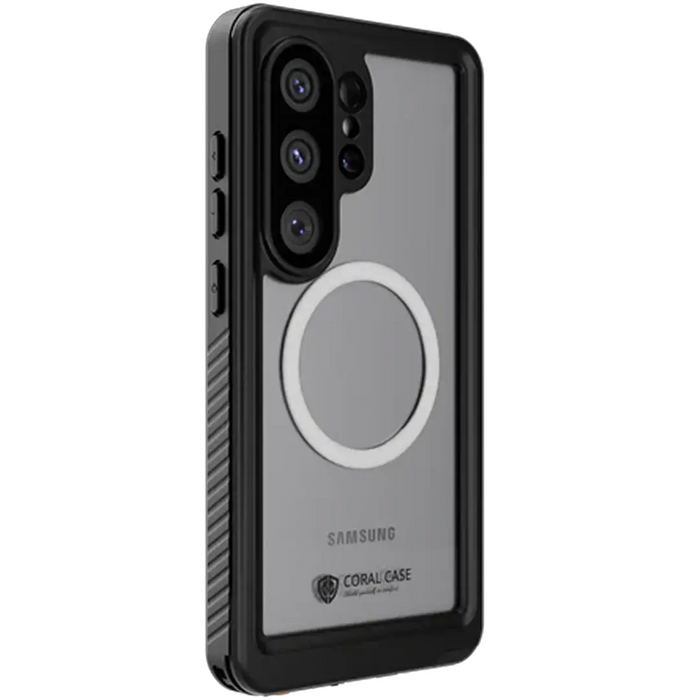
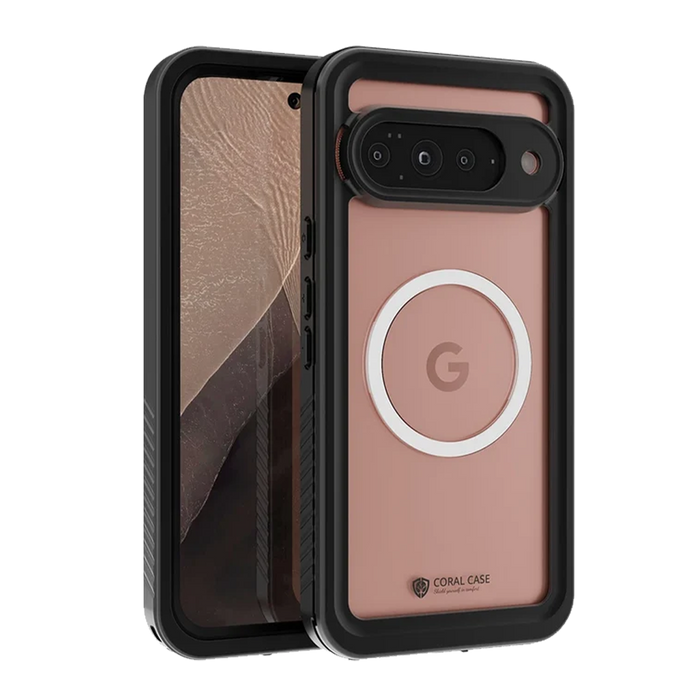
For example, some Coral Case waterproof cases are designed around full-body protection and advertise IP68-style waterproof performance suitable for everyday outdoor and water-related use. The exact rating, depth and duration should always be checked on the specific product page before purchase.
For everyday users, IP68 protection is most useful for accidental water exposure. It can help protect your phone if it is dropped in shallow water, used in heavy rain or exposed to splashes around the pool or lake.
It is also useful for photography. Many people want to capture videos near water, take photos during rain or use their phone during outdoor activities. A waterproof case makes those situations safer.
However, water resistance is not unlimited. IP68 testing does not mean the case is designed for deep diving, high-pressure water, hot tubs, saunas or long underwater sessions. It also does not mean the case should be used carelessly in saltwater without cleaning afterwards.
Dust and Debris Protection
The dust protection part of IP68 is just as important as the water protection.
Dust, sand and debris can cause real problems for phones. Tiny particles can get into speaker grills, charging ports, button gaps and case openings. Over time, they can scratch surfaces, interfere with charging or make buttons feel gritty.
This matters especially in Canada, where phones may be exposed to many different environments: sandy beaches, snowy paths, dusty campsites, gravel roads, construction areas, hiking trails and outdoor job sites.
A dust-tight waterproof case can be especially useful for:
Construction workers.
Tradespeople.
Campers.
Hikers.
Farm workers.
Parents with young children.
Beachgoers.
Cyclists.
Travellers.
Outdoor photographers.
Even if you never drop your phone in water, dust protection can help keep your device cleaner and safer during daily use.
Common Misconceptions About IP68
The biggest misconception is that IP68 means “completely waterproof”.
It does not.
IP68 means the case has been tested under specific conditions. Those conditions are controlled, repeatable and useful for comparison, but they are not the same as every real-world accident.
A waterproof case can still fail if it is damaged, installed incorrectly, not sealed properly or exposed to conditions beyond its rating.
For example, a case may protect against immersion in still water but not against high-pressure water jets. A pressure washer, strong shower stream, fast-moving river or diving impact may create more pressure than the case was designed to handle.
Another common misconception is that IP68 protection lasts forever. Seals can wear down. Hinges can loosen. Port covers can weaken. Gaskets can collect dirt. Drops can create tiny gaps. If a case has been used heavily, it should be inspected regularly.
IP68 protection is strong, but it is not magic.
Temperature, Saltwater and Chemical Exposure
Water is not always just water.
Fresh water, saltwater, chlorinated pool water, soapy water and hot water can affect cases differently.
Saltwater is more corrosive than fresh water. If a waterproof case is used at the beach or in the ocean, it should be rinsed with clean fresh water afterwards and dried properly.
Chlorinated pool water can also be harsh on materials over time. Soap, shampoo and detergent can reduce surface tension and may behave differently from plain water. Hot tubs and saunas introduce heat, steam and pressure changes, which can affect seals.
Extreme cold can also matter. Canadian winters can make some materials stiffer, and repeated freezing and thawing may affect flexibility over time. A case that performs well in normal conditions may behave differently in extreme temperatures.
This is why users should always follow the care instructions from the case manufacturer.
The Science Behind the IP68 Rating
To earn an IP68 rating, a product must be tested for dust and water resistance under defined conditions.
For dust testing, the enclosure is exposed to fine dust in a controlled chamber. The goal is to confirm that dust does not enter in a way that compromises the product’s function.
For water testing, the product is immersed in water at a specific depth for a defined period. The exact IPX8 test depth and time can vary by manufacturer claim, but the rating generally indicates immersion beyond 1 metre.
The test is designed to confirm that the enclosure can resist water entry under controlled conditions.
For phone cases, this means the case design must manage multiple weak points:
Screen seal.
Back shell connection.
Charging port cover.
Speaker and microphone areas.
Button covers.
Camera protection area.
Edges and corners.
A well-designed waterproof phone case needs all of these areas to work together. One weak seal can compromise the entire case.
Real-World Performance vs Lab Testing
Lab testing is useful, but real life is messier.
In a lab, water is usually still, clean and controlled. In real life, water may be moving, salty, chlorinated, hot, cold or mixed with dirt.
Dropping a phone into a pool is different from taking it through waves at the beach. Using a phone in rain is different from spraying it with a hose. Taking a quick underwater photo is different from keeping it submerged for a long time.
Impact also matters. If your phone hits a rock before falling into water, the case may be stressed or damaged before the water exposure even begins.
That is why a good waterproof case should not only be water-resistant. It should also offer shock resistance, strong corner protection, screen coverage and camera protection.
The strongest real-world protection comes from combining water resistance with drop protection.
How to Choose the Right Waterproof Phone Case
When shopping for an IP68 waterproof phone case, do not look at the rating alone.
The rating matters, but the overall design matters just as much.
Look for a case that fits your exact phone model. Waterproof protection depends on precision. A case made for one iPhone or Samsung Galaxy model may not seal correctly around another model, even if the phones look similar.
You should also check:
Port access.
Charging compatibility.
Wireless charging support.
Screen protector quality.
Camera protection.
Button responsiveness.
Speaker and microphone performance.
Case thickness.
Grip texture.
Installation instructions.
Drop protection.
Material quality.
A waterproof case should feel secure, but it should also be usable. If buttons are hard to press, the fingerprint scanner does not work properly or the speaker sounds muffled, the case may become frustrating in daily use.
The best waterproof cases balance protection with convenience.
Compatibility Matters
Compatibility is one of the most overlooked parts of waterproof case shopping.
A waterproof phone case must match the phone precisely. Camera layout, side buttons, speaker positions, charging port placement and screen dimensions must all line up correctly.
Even small differences can affect sealing.
For example, a case designed for one Samsung Galaxy Ultra model may not fit the next generation properly if the camera layout changes. A case for an iPhone Pro may not fit the Pro Max version. A case for a standard model may not fit a Plus or Ultra model.
Always check the exact phone model before buying.
If you are not sure, check your phone settings or model number before ordering.
Additional Features to Consider
A great waterproof case should offer more than water protection.
Shock resistance is important because phones are more likely to be dropped than submerged. Reinforced corners, raised edges and impact-absorbing materials can help reduce damage from falls.
A built-in screen protector helps protect against scratches and surface impact. For outdoor users, it can also reduce dust and sand contact with the phone screen.
Camera lens protection is also valuable. Modern smartphones have large camera modules that can be expensive to repair. A raised camera guard or built-in camera protector can help prevent scratches and cracks.
Other useful features include:
Anti-scratch surface.
Sealed USB-C or Lightning port.
Responsive buttons.
Clear sound design.
Wireless charging compatibility.
Magnetic accessory support.
Secure latching system.
Transparent back panel.
Lanyard support.
Good grip.
A waterproof phone case should protect the phone without making daily use difficult.
Benefits of IP68 Waterproof Cases
The biggest benefit of an IP68 waterproof case is peace of mind.
You can use your phone more confidently around water, rain, snow, dirt and dust. You still need to be careful, but you do not have to panic every time your phone gets splashed.
For active lifestyles, that is a huge advantage.
An IP68 waterproof case is useful for:
Swimming pool days.
Beach trips.
Hiking.
Camping.
Fishing.
Boating.
Snowboarding.
Construction work.
Plumbing work.
Parenting.
Travel.
Outdoor photography.
It also helps with everyday accidents. A coffee spill, kitchen splash or bathroom drop can happen in seconds. A waterproof case gives your phone a better chance of surviving.
Increased Phone Longevity
Liquid damage is one of the most frustrating phone failures because it can be expensive and unpredictable.
A phone may seem fine immediately after water exposure, then develop problems hours or days later. Charging issues, speaker distortion, screen glitches, camera fogging and battery problems can all happen after moisture gets inside.
An IP68 waterproof case helps reduce the risk by adding a protective outer seal.
This can extend the usable life of your phone. It may also help protect resale or trade-in value, because buyers and trade-in programs care about condition.
A phone with water damage, corrosion or camera issues is far less valuable than one kept in good condition.
A waterproof case is not just about adventure. It is also about preserving your investment.
Resilience in Extreme Canadian Conditions
Canada creates unique phone protection challenges.
Winter weather can bring snow, freezing rain and slush. Summer can bring lake trips, camping, boating and beach days. Spring and fall can bring mud, rain and unpredictable outdoor conditions.
A good waterproof case helps in all of these environments.
It protects against sudden rain during a hike. It helps during snow activities. It keeps dust away during camping. It reduces stress when your phone is near water at the cottage or lake.
For people who work outdoors, the benefits are even stronger. Tradespeople, delivery drivers, landscapers, construction workers and field technicians often use phones in conditions that are much harder than normal indoor use.
In those situations, a regular slim case may not be enough.
Testing the Limits of IP68: What It Can’t Protect Against
IP68 is powerful, but it has limits.
It is mainly designed around dust protection and water immersion under test conditions. It does not mean the case can survive every extreme situation.
High-pressure water is one of the biggest risks. A pressure washer, strong hose jet, fast-moving water or diving impact can create pressure that exceeds normal immersion testing.
Depth and duration also matter. If a case is rated for a certain depth and time, going deeper or staying underwater longer can increase risk.
Physical impact is another limit. IP68 does not automatically mean extreme drop protection. A waterproof case may also be shockproof, but those are separate design features.
A case can also be compromised if:
It is cracked.
The seal is dirty.
The port cover is not closed.
The case is installed incorrectly.
The phone was dropped before immersion.
The gasket is worn.
Sand is trapped in the seal.
The case has been used for a long time without inspection.
This is why regular checks matter.
IP68 vs IP67
IP67 and IP68 are both strong ratings, but they are not the same.
IP67 typically indicates dust-tight protection and temporary water immersion protection, often around 1 metre for a limited time.
IP68 indicates dust-tight protection and stronger immersion resistance beyond 1 metre, with depth and duration set by the manufacturer.
| Rating | Dust Protection | Water Protection | Best For |
|---|---|---|---|
| IP67 | Dust-tight | Temporary immersion | Everyday splashes and light accidents |
| IP68 | Dust-tight | Continuous immersion beyond 1 metre under stated conditions | Stronger outdoor and water protection |
For most everyday users, IP67 can be enough. But for people who spend time near water, work around dust or want stronger protection, IP68 is usually the better choice.
IP68 is especially valuable for waterproof phone cases because phones are expensive and water damage can be difficult to repair.
IPX Ratings Explained
You may also see ratings such as IPX7 or IPX8.
The “X” means the product has not been rated for dust protection, or the dust rating is not specified. For example, IPX8 means the product has a water immersion rating but does not provide a stated dust rating.
This matters because a phone case needs to protect against more than water. Dust, sand and debris can also damage a phone or interfere with ports and speakers.
For beach use, camping, construction or outdoor work, a full IP68 rating is more useful than an IPX-only rating because it includes both dust and water protection.
If you only see IPX, check the product details carefully.
Is IP68 Waterproofing Enough for Everyone?
Not everyone needs an IP68 waterproof phone case.
If you mostly use your phone indoors, rarely travel, avoid water and only need basic scratch protection, a slim everyday case may be enough.
An IP67 case may also be suitable for people who want protection from rain, spills and light accidents but do not expect frequent outdoor or water exposure.
However, IP68 is worth considering if you are often near water, dust, dirt or unpredictable environments.
IP68 protection is especially useful for:
Outdoor enthusiasts.
Parents.
Travellers.
Tradespeople.
Campers.
Hikers.
Boaters.
Fishers.
Beachgoers.
Healthcare workers.
People working around water.
People who use phones for photography outdoors.
The more your lifestyle exposes your phone to risk, the more sense IP68 makes.
Real-Life Use Cases of IP68 Waterproof Phone Cases
Waterproof cases prove their value in ordinary moments, not just extreme adventures.
Imagine dropping your phone into shallow water while unloading a canoe. Without protection, the phone could suffer speaker damage, charging issues or internal corrosion. With a properly sealed IP68 case, the risk is much lower.
A parent may drop a phone near a bathtub or have a child spill juice over it. A waterproof case adds protection against those everyday family accidents.
A tradesperson working around plumbing, dust or wet surfaces may need to check messages, take job photos and answer calls throughout the day. A rugged waterproof case helps keep the phone safer in environments where a regular case may fail.
A traveller taking photos at a waterfall or beach may face spray, sand and humidity. IP68 protection helps reduce stress and makes the phone more usable.
A student walking across campus in sudden rain can keep using maps or messages without panicking over water exposure.
These situations are common, and they are exactly why waterproof phone cases matter.
Brand Comparisons: What to Look For
When comparing waterproof phone case brands, focus on features rather than marketing alone.
A good waterproof case should clearly state its IP rating, model compatibility and test limits. It should also explain whether it supports wireless charging, fingerprint scanning, MagSafe-style accessories or camera button functions.
Some brands focus mainly on waterproofing. Others combine waterproofing with drop protection, camera protection and dust resistance.
When comparing options, consider:
IP rating.
Exact depth and duration.
Drop protection claims.
Built-in screen protector.
Camera lens protection.
Port seal design.
Speaker and microphone clarity.
Wireless charging support.
Magnetic accessory compatibility.
Grip and comfort.
Ease of installation.
Case thickness.
Warranty or support.
In Canada, prices can vary depending on phone model, case type and features. Basic waterproof pouches may cost less, but they often lack daily usability. Full-body waterproof phone cases cost more, but they usually provide better protection, fit and convenience.
For expensive smartphones, a proper model-specific waterproof case is often the better long-term choice.
How to Maintain an IP68 Waterproof Phone Case
A waterproof case performs best when it is maintained properly.
Before using it near water, check the seal. Make sure the case is fully closed, port covers are secure and no dirt or hair is trapped in the gasket.
If the case has been dropped, inspect it before exposing it to water again. Small cracks or warped edges can reduce protection.
After saltwater or chlorinated water exposure, rinse the outside of the case with clean fresh water and dry it thoroughly.
Do not charge the phone if the charging area is wet. Let the case and phone dry properly first.
Avoid exposing the case to extreme heat, harsh chemicals or strong pressure.
A waterproof case is a protective tool, but it still needs care.
Conclusion
The IP68 waterproof rating is one of the most important features to understand when choosing a waterproof phone case. It tells you that the case is designed to protect against dust and water immersion under defined test conditions, making it far more capable than a basic everyday case.
For modern smartphones, that protection matters. Phones are expensive, heavily used and constantly exposed to real-world risks. Rain, snow, beaches, pools, coffee spills, dust, job sites and outdoor adventures can all create damage risks.
An IP68 waterproof phone case helps protect your device, extend its life and reduce the chance of costly water or dust damage. It is especially valuable for active users, parents, travellers, tradespeople, outdoor workers and anyone who spends time near water.
However, IP68 does not mean invincible. High-pressure water, deep diving, extreme heat, saltwater, physical damage and poor installation can still create problems. The rating is a strong protection standard, not a promise that nothing can ever go wrong.
The best approach is to choose a high-quality waterproof case that fits your exact phone model, understand its depth and duration rating, use it correctly and maintain it properly.
For Canadian buyers, the right IP68 waterproof case can make a phone feel much safer in everyday life and outdoor conditions. Whether you are heading to the lake, working on-site, hiking through rain or simply protecting against accidents at home, IP68 protection gives your smartphone the extra defence it deserves.


