
 Apple
Apple
 Samsung
 Google Pixel

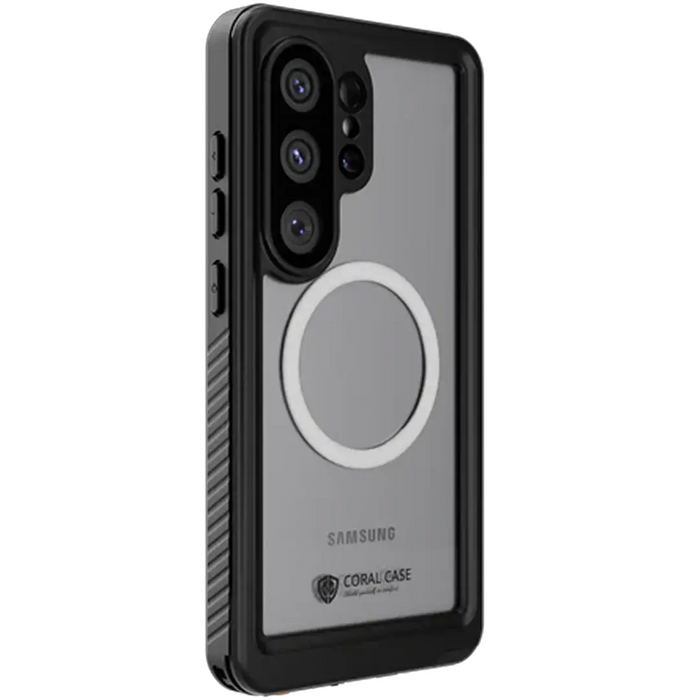
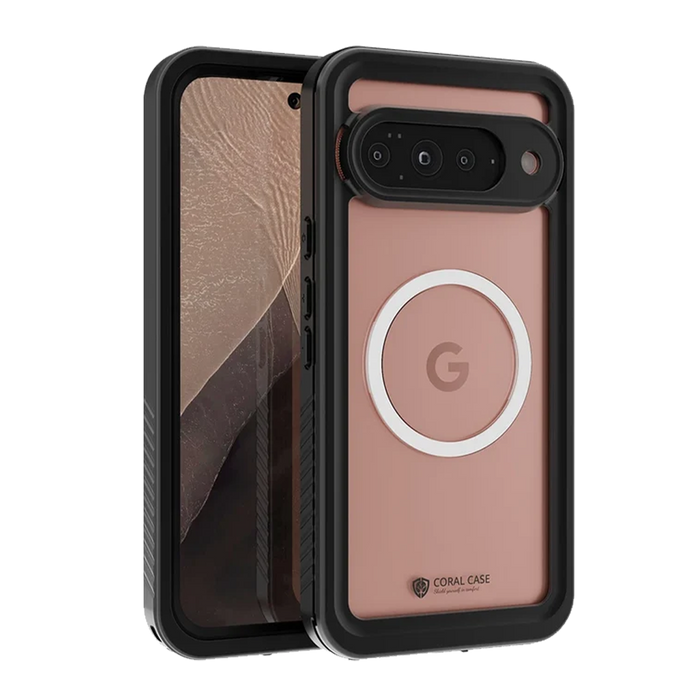


Waterproof Case Vs Water-Resistant Case: What’s the Real Difference?
Our smartphones are indispensable in today’s world, serving as our lifelines to work, communication, and entertainment. However, with all that reliance on our devices, water damage remains a significant risk. Whether it's an accidental spill, a rainstorm, or a dip in the pool, water can cause irreversible harm to our phones. This is where phone cases come in—but the terms “waterproof” and “water-resistant” often cause confusion. What exactly is the difference between the two, and how do you know which one to choose for your device?
In this article, we’ll dive deep into the differences between waterproof and water-resistant phone cases, explain IP ratings, and help you decide which case is right for your phone protection needs.
What is a Water-Resistant Phone Case?
A water-resistant phone case is designed to shield your device from light water exposure, such as splashes, rain, or accidental spills. However, these cases aren’t meant for submerging your phone in water.
How It Works:
Water-resistant cases typically feature sealed edges or a slim protective layer that prevents water from entering the case during everyday conditions. However, they are not designed to fully prevent water penetration during prolonged or deep exposure.
IP Ratings for Water-Resistant Cases:
Water-resistant cases usually fall under a specific range of IP (Ingress Protection) ratings, which indicate their level of protection against both solids (dust) and liquids (water). The first digit refers to dust protection, while the second digit refers to water resistance.
· IPX4: Offers protection against splashes from any direction. Good for light rain or sweat.
· IPX7: Can handle immersion in water up to 1 meter deep for up to 30 minutes. Useful for cases that will be exposed to moderate amounts of water.
When to Use It:
· For scenarios where your phone might get splashed, such as being caught in the rain or around water at the beach or pool.
· Light protection for everyday use, but not suitable for submersion or prolonged exposure to water.
Benefits of Water-Resistant Cases:
· Compact and lightweight: These cases are typically slim and don’t add much bulk to your phone.
· Affordable: Water-resistant cases are usually less expensive than waterproof alternatives, making them ideal for budget-conscious users.
· Good for accidental splashes: Provides basic protection against liquid exposure.
What is a Waterproof Phone Case?
Waterproof phone cases are designed to protect your phone from full immersion in water, meaning they can handle being submerged for extended periods, making them perfect for water sports, heavy rain, or even underwater photography.
How It Works:
Waterproof cases are engineered with airtight seals, reinforced materials, and pressure-tested designs that prevent any water from getting inside, even if the phone is submerged under significant depths.
IP Ratings for Waterproof Cases:
Waterproof cases typically feature higher IP ratings, indicating superior protection against both water and dust. These ratings will usually include an “8” in the second digit, showing that the case can withstand deeper water immersion.
· IP67: Protects against immersion in water up to 1 meter for 30 minutes.
· IP68: Can withstand submersion in water beyond 1 meter depth (usually up to 1.5 meters) for up to 30 minutes or more. This is the most common waterproof rating and is often seen in top-tier waterproof cases.
· IP69K: Provides protection against high-pressure, high-temperature water jets, making it ideal for harsh industrial environments.
When to Use It:
· If you are swimming, snorkeling, or engaging in water sports like surfing or kayaking.
· If your phone is regularly exposed to extreme weather conditions, such as heavy rain or snow.
· For peace of mind when traveling near bodies of water, where the risk of submerging your phone is higher.
Benefits of Waterproof Cases:
· Full submersion protection: These cases are built to withstand deep immersion in water, so you don’t need to worry about getting caught in the rain or dropping your phone in the pool.
· Durability: Often made with rugged materials, waterproof cases tend to offer longer-lasting protection.
· Versatility: Perfect for adventurers, swimmers, or those who need extreme protection in wet conditions.
Comparing Water-Resistant vs Waterproof Phone Cases
|
Feature |
Water-Resistant Case |
Waterproof Case |
|
Protection Level |
Protects against minor splashes or rain. |
Protects against full submersion in water. |
|
IP Rating |
Typically IPX4 to IPX7. |
Typically IPX8 or higher. |
|
Best for |
Light rain, spills, sweat, beach trips. |
Swimming, snorkeling, heavy rain, outdoor activities. |
|
Durability |
May wear out over time with prolonged exposure. |
Often more durable and long-lasting. |
|
Price |
Generally more affordable. |
Tends to be more expensive due to higher protection. |
|
Bulkiness |
Usually lightweight and slim. |
Often bulkier to ensure water-tight seals. |
Understanding IP Ratings in Detail
The IP rating system is the standard for measuring how well a case resists the intrusion of solids and liquids. Here’s a closer look at some common IP ratings you’ll encounter with phone cases:
· IPX0 to IPX3: Cases with these ratings offer minimal water protection, typically against small splashes or drizzles. They are not considered water-resistant.
· IPX4: Offers protection against water splashes from any direction, ideal for cases that will be exposed to rain or sweat.
· IPX7: Can withstand immersion in water up to 1 meter for 30 minutes. Great for situations where you might drop your phone in shallow water.
· IPX8: Offers protection beyond 1 meter, usually up to 1.5 meters, for an extended period (often 30 minutes). Perfect for swimming or being in deep water.
· IP69K: Not only protects against submersion but also handles high-pressure, high-temperature water jets. This is typically seen in industrial settings, not consumer products.
When to Use Each Type of Case:
· Water-Resistant Cases:
o Best for daily exposure to water: For example, if you're walking in the rain, at the beach, or taking your phone to the gym.
o For those who don’t submerge their phones: If you don’t plan to fully immerse your phone in water, but need protection from light splashes or spills.
· Waterproof Cases:
o For swimmers, divers, and adventurers: Ideal for those who want to take their phone into the water (like swimming, kayaking, or snorkeling).
o For heavy-duty outdoor activities: If your phone is regularly exposed to harsh weather, like heavy rain or snow, a waterproof case is essential.
Conclusion:
Both waterproof and water-resistant phone cases offer essential protection, but they serve different purposes depending on your lifestyle and activities. Water-resistant cases are perfect for everyday situations where light water exposure is a concern, such as rain or spills, and they tend to be more affordable and lightweight. On the other hand, waterproof cases offer more comprehensive protection, ensuring your phone stays safe even when submerged underwater for longer periods, making them ideal for water sports enthusiasts, adventurers, or anyone who wants the ultimate protection in extreme conditions.
At Coralcase.ca, we provide a wide range of both waterproof and water-resistant cases, so you can find the best option for your phone and your needs. Whether you’re looking for reliable, everyday protection or need the highest level of defense against water, we have you covered.
You May Also Read


