
Blog
Google Pixel 10A Camera: What to Expect from Google’s Mid-Range Marvel
Jan
Google’s Pixel smartphones have long earned a reputation for delivering exceptional camera performance, even on mid-range devices. With the upcoming Google Pixel 10A, expectations are high, particularly for its camera capabilities. Photography enthusiasts and casual users alike are eager to see how Google continues its tradition of blending smart hardware with cutting-edge computational photography in an affordable package.
The Pixel 10A promises to offer an exciting mix of features for everyday photography, including versatile rear and front cameras, powerful AI-driven image processing, and a design that enhances usability. This article dives into all the rumoured details of the Google Pixel 10A camera, exploring each aspect from the rear camera system to the front shooter, software features, design influence on imaging, and real-world performance expectations.
Google Pixel 10A Camera Rumours — Detailed Breakdown
1. Rear Camera System
The rear camera is often the centerpiece of any smartphone photography experience, and the Pixel 10A appears set to continue Google’s tradition of delivering top-tier imaging even in a mid-range phone.
Dual Rear Lenses: 48MP Main + 13MP Ultra-Wide
The Pixel 10A is expected to feature a dual-camera system. The primary lens is rumoured to be a 48-megapixel sensor, paired with a 13-megapixel ultra-wide camera. This combination is ideal for everyday photography, from bright daylight shots to landscape photography and group selfies.
The main camera’s f/1.7 aperture allows for more light to hit the sensor, improving low-light performance and creating natural background blur. Meanwhile, the ultra-wide lens, likely around f/2.2, provides a wider field of view, making it perfect for capturing larger scenes without stepping back.
Optical Image Stabilization (OIS) for Steady Shots
The inclusion of Optical Image Stabilization (OIS) on the main sensor enhances photo quality by reducing blur caused by hand movements or shaky environments. It’s particularly useful for low-light photography and handheld video recording, ensuring that users can capture sharp images and smooth video footage even without a tripod.
Video Capabilities
The Pixel 10A’s rear camera is expected to support 4K video at 60 frames per second, giving users the ability to record smooth, high-quality videos. The camera will also support high-frame-rate 1080p recording, suitable for everyday video capture such as vlogging or family moments.
AI Enhancements for Mid-Range Hardware
Even with mid-range hardware, Google’s computational photography could elevate results. Features like multi-frame processing, intelligent HDR, and noise reduction will likely allow the Pixel 10A to produce photos that punch above its class, delivering sharp details and accurate colors even in challenging conditions.
Limitations
One trade-off is the likely absence of a dedicated telephoto lens, which means optical zoom will be limited. Users will rely on digital zoom, which may not be as crisp as optical alternatives. Despite this, the dual-lens system should offer solid performance for most everyday photography needs.
2. Front Camera (Selfie)
The front camera is critical for selfies, video calls, and social media content. Rumours suggest the Pixel 10A will feature a 13-megapixel front camera, providing high-resolution captures with natural detail.
Video and Low-Light Performance
The front camera may support 4K video recording, enabling high-quality video calls or self-recorded content. Google’s image processing for selfies prioritizes natural skin tones, wide dynamic range, and clarity in various lighting conditions, including low-light scenarios.
Comparison to Previous Models
Compared to previous Pixel A-series devices, the front camera may offer subtle improvements in color accuracy, noise reduction, and dynamic range. Users can likely expect better performance in selfies taken at night or in dim indoor environments.
3. Pixel Technology & AI Image Processing
What truly sets Pixel devices apart from other smartphones is Google’s software-driven camera performance. The Pixel 10A is expected to leverage the Tensor G4 chip, which will power AI-driven photography features and ensure smooth operation.
Night Sight and HDR+
The Pixel 10A will almost certainly include signature features like Night Sight for low-light photography, and HDR+ to enhance dynamic range in tricky lighting situations. These technologies combine multiple frames to produce sharper, brighter images with natural-looking colors.
AI Enhancements
Google’s AI-assisted processing will also optimize portraits, edge detection, and background blur, allowing mid-range hardware to deliver results closer to flagship devices. While the Pixel 10A may not include the latest Magic Cue AI features from flagship Pixels, its computational photography suite should satisfy most users who value quality photography without the premium price.
4. Design Influence on Camera Experience
The physical design of the Pixel 10A is expected to complement its camera capabilities.
Camera Layout and Ergonomics
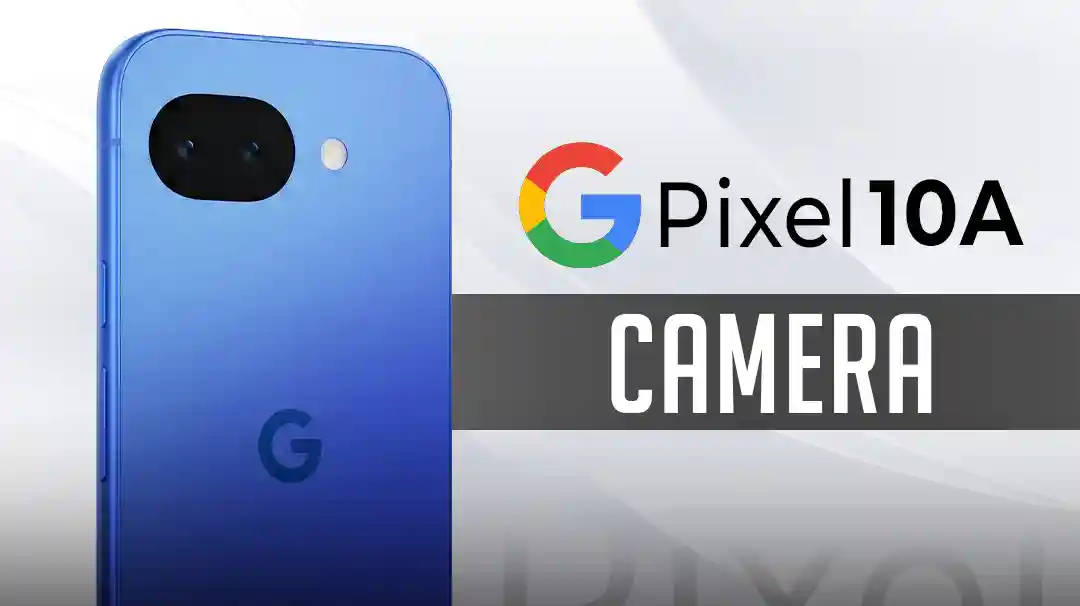
Early leaks indicate a familiar horizontal camera bar on the back, with minimal protrusion. This design reduces the risk of scratching lenses when placing the phone on flat surfaces and enhances ergonomics for one-handed use.
Display for Composition
The Pixel 10A is expected to feature a 6.2–6.3 inch 120Hz AMOLED display, offering a smooth, responsive interface for composing shots and reviewing images. Thin bezels and a hole-punch front camera design provide more screen space, making it easier to frame photos accurately.
5. What Rumours Mean for Real-World Shooting
Daylight Photography
With a 48MP main sensor and intelligent AI processing, users can expect clear, sharp, and vibrant photos in daylight. The ultra-wide lens provides versatility for landscapes, architecture, and group photos.
Low-Light Photography
Night Sight and wide apertures will help improve low-light performance. While not as advanced as flagship Pixels, the Pixel 10A should capture usable night shots with minimal noise and good color reproduction.
Portrait and Close-Up Shots
The main camera’s aperture and AI processing will enhance portrait shots, providing natural-looking background blur and accurate subject separation. Close-up photography should also benefit from multi-frame processing for sharp detail.
Video Recording
With 4K60 recording and OIS, the Pixel 10A is likely to provide stable, smooth video suitable for casual creators and everyday users.
Limitations
The lack of a telephoto lens and Magic Cue AI may limit creative options, particularly for zoom photography or advanced AI features. Nevertheless, for users prioritizing consistent photo quality and mid-range affordability, the Pixel 10A appears well-equipped.
Conclusion
The Google Pixel 10A camera seems poised to offer one of the best photography experiences in the mid-range segment. With a 48MP main lens, 13MP ultra-wide sensor, AI-driven processing, and a capable front camera, the Pixel 10A promises clear, vibrant, and versatile imaging in everyday scenarios. While it may lack some flagship features like a telephoto lens or Magic Cue AI, it balances affordability and performance effectively.
With a likely launch in early 2026 and a competitive price around $499 CAD, the Pixel 10A is shaping up to be a strong contender for those who want the Pixel camera experience without the flagship cost. Its combination of design, hardware, and computational photography makes it a compelling choice for budget-conscious photography enthusiasts.
Frequently Asked Questions (FAQs)
1. What is the Google Pixel 10A camera setup expected to include?
The Pixel 10A is expected to have a dual rear camera setup with a 48MP main sensor and a 13MP ultra-wide sensor, along with a 13MP front-facing camera.
2. Will the Pixel 10A have advanced video recording features?
Yes. Rumours indicate support for 4K video at 60fps, making it suitable for high-quality everyday video capture.
3. How does the Pixel 10A camera compare to its predecessor?
The Pixel 10A is similar to the Pixel 9A, with improved software optimization and AI processing, but no major hardware upgrades are expected.
4. Does the Pixel 10A camera support Google’s latest AI photo features?
Some advanced AI features like Magic Cue may be absent. However, Night Sight, HDR+, and other computational photography features will be present.
5. When will official camera details be confirmed?
The Pixel 10A is expected to launch in early 2026, with full camera specifications confirmed at that time.