
Blog
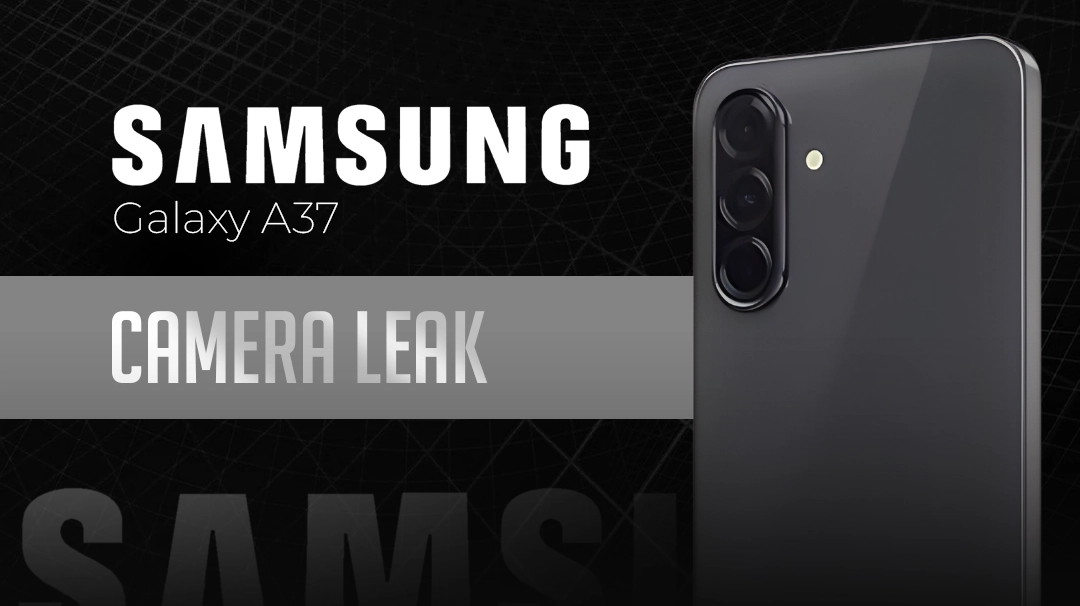
Galaxy A37 Camera Leak: Sensor, Zoom & Feature Scoop
Dec
The Galaxy A37 has garnered attention for its anticipated camera system, which is set to make a significant leap in the mid-range smartphone category. Samsung’s A series has long been popular for offering a balance of affordability and performance, and with the A37, it looks like the camera system will take centre stage. Camera performance has become one of the biggest purchasing factors for smartphone buyers, and the Galaxy A37 is expected to deliver a noticeable upgrade that may even put more expensive competitors on notice.
With a 50MP main sensor and multiple lenses designed for flexibility, the Galaxy A37’s camera system looks poised to compete with some of the best in the mid-range market. This review will dive into the camera setup of the A37, exploring the hardware, software, performance, and potential for delivering great photos and videos.
Galaxy A37 Camera Overview
The Galaxy A37 is equipped with a triple camera system, which is an exciting upgrade for the A-series lineup. The main highlight of this setup is the 50MP primary camera, which promises a high level of detail and improved low-light performance. Here’s a breakdown of the camera configuration:
Main Camera: A 50MP primary sensor designed to capture sharp, vibrant photos. This represents a considerable improvement over previous A-series models.
Secondary Cameras: An 8MP ultra-wide lens for capturing expansive scenes, and a 5MP macro lens that allows users to take close-up shots with intricate details.
Front Camera: The 12MP front-facing camera is designed to take clear and sharp selfies, making it ideal for social media enthusiasts and video calls.
Samsung is known for integrating powerful software optimizations with its camera hardware, and the A37 will likely follow this trend. These enhancements should make for a smoother, more reliable photography experience.
Main Camera Sensor: Specs & Rumours
The 50MP main camera is a major focus of the A37’s camera system. Leaks suggest that Samsung could use a sensor like the Sony IMX906 or Samsung ISOCELL S5KGNJ, both of which are well-regarded for their excellent image quality. A key feature of this sensor is its larger size compared to previous models, estimated at around 1/1.56 inches. This larger sensor means the camera can capture more light, leading to better photo quality in low-light conditions.
Why Sensor Size Matters:
A larger sensor allows more light to reach the image sensor, which results in:
Better low-light performance: The camera will produce clearer, brighter images in darker environments.
Higher dynamic range: You’ll get more detail in both bright and dark areas of your photos.
Richer colours: The camera will capture more vibrant, natural-looking colours, improving the overall photo quality.
With this enhanced sensor size, combined with pixel binning (which merges smaller pixels to create larger ones), the A37 should perform well in dimly lit settings, producing clearer, more detailed images.
Secondary Cameras Explored
Alongside the 50MP main camera, the A37 features two additional lenses that provide versatility and creative options for users.
8MP Ultra-Wide Camera:
Focal Length & Field of View: The 8MP ultra-wide camera will offer a wide field of view, allowing users to capture expansive landscapes, group shots, or architectural shots with ease.
Use Cases: This camera will be perfect for capturing sweeping vistas, large groups of people, and other wide-angle subjects.
5MP Macro Camera:
Close-Up Shots: The 5MP macro lens is designed for capturing detailed close-up shots, ideal for food photography, small objects, or nature shots.
Limitations: While macro cameras are fun for creative shots, they tend to have lower resolution, so you may not get the same level of detail that a high-end macro lens would provide.
These secondary cameras offer flexibility in photography but also come with some limitations. While the ultra-wide lens provides great flexibility for wide shots, the macro lens is not intended for extreme detail, and the absence of a telephoto lens limits the zoom capabilities.
Selfie & Front Camera Features
The 12MP front-facing camera of the Galaxy A37 is a welcome improvement for users who enjoy taking selfies or participating in video calls. A 12MP resolution is sufficient for clear, detailed selfies, making it perfect for social media content creation and virtual meetings.
Key Features of the Front Camera:
Portrait Mode: The portrait mode on the front camera will likely be enhanced with software features like skin tone balance and background blur to create better separation between the subject and background.
Selfie Optimizations: Samsung typically includes software that enhances selfies, such as beauty filters and skin smoothening. These features are geared toward making users look their best in social media-ready photos.
Video Quality Expectations:
While specific video specs have yet to be confirmed, the A37’s front camera will likely support 1080p video at 30fps, with the potential for 4K recording in higher-end models. Samsung’s One UI software typically offers great video recording quality, optimizing both video and audio for a crisp, professional result.
Camera Features & Software Enhancements
Samsung has been at the forefront of integrating AI-driven software into its camera systems, and the A37 is expected to benefit from several of these features. Here’s what to expect:
Scene Optimizer: This feature automatically detects the scene being captured and adjusts the camera settings for the best possible photo. For instance, it may recognize landscapes, food, or portraits and optimize colours and sharpness accordingly.
Night Mode: With the larger 50MP sensor, the A37 should be able to take advantage of improved Night Mode, allowing for brighter photos in low-light conditions without compromising quality.
HDR (High Dynamic Range): The A37 will likely feature enhanced HDR to balance the light and dark areas of your photos, ensuring that bright skies and dark shadows both retain detail.
Super Steady Video: This stabilization feature will help reduce motion blur when recording videos, even when moving, making it ideal for active footage or vlogs.
These software tools work in tandem with the hardware to ensure users get the best results with minimal effort.
Camera Quality Expectations
With the new 50MP sensor and enhanced software tools, the Galaxy A37 is expected to deliver high-quality images across a variety of settings.
Low-Light Performance:
Thanks to the larger sensor and pixel binning, the A37 will produce cleaner, brighter images in low-light conditions, reducing the noise and graininess often associated with photos taken in dim lighting.
Ultra-Wide Shots:
The 8MP ultra-wide lens will deliver vibrant, wide-angle shots for group photos or landscapes. However, as with most mid-range ultra-wide cameras, the sharpness towards the edges of the frame may not be as high as on flagship models.
Macro Photography:
The 5MP macro lens will offer decent close-up shots, but the lower resolution may not allow for extreme detail. Users should expect vibrant colours and good detail at moderate distances but may struggle with extremely close subjects.
Zoom Expectations:
Without a telephoto lens, users should rely on digital zoom to bring distant subjects into frame. This means the quality of zoomed-in photos will not match the clarity and detail found on devices with dedicated telephoto lenses.
Rumours & Leak Analysis
While the A37 camera specs seem promising, it’s important to remember that some of the details are based on leaks. Here’s a summary of what’s confirmed and what might still change:
Confirmed: The 50MP main camera, 8MP ultra-wide lens, and 5MP macro sensor are expected features.
Speculative: There have been rumours of 4K video recording on the front camera and telephoto zoom; however, these have not been confirmed and should be taken with caution.
These leaks help shape expectations but remember that Samsung could change some specs before the official launch.
Comparison With Previous Models
When compared to the Galaxy A36 and A35, the A37 presents a noticeable improvement, especially with the 50MP main sensor. Users upgrading from earlier models will likely see enhanced image quality, particularly in low-light conditions and when capturing wider scenes with the ultra-wide camera. The macro lens adds extra creative flexibility, making the A37 an attractive option for those looking for a well-rounded camera experience.
Conclusion
The Galaxy A37 offers a significant upgrade in the camera department, particularly with its 50MP main sensor and the addition of ultra-wide and macro lenses. While it may not feature a telephoto zoom or the advanced features of flagship devices, it still provides a strong mid-range camera system capable of delivering great results for everyday users. Samsung’s investment in improved sensors and software tools suggests that the A37 will become a strong contender in its segment, offering exceptional value for money without compromising on image quality.
Frequently Asked Questions (FAQs)
What camera sensor is expected on the Galaxy A37?
The A37 is expected to feature a 50MP Sony IMX906 or ISOCELL S5KGNJ main sensor for improved detail and low-light performance.How many cameras does the Galaxy A37 have?
The device is expected to feature a triple camera setup, including a 50MP main, 8MP ultra-wide, and 5MP macro lens, plus a 12MP selfie camera.Will the Galaxy A37 have strong low-light camera performance?
Yes, the larger 50MP sensor and pixel binning should improve low-light performance, resulting in brighter and clearer photos in dim environments.Does the Galaxy A37 support optical zoom?
No, the A37 does not have a telephoto lens, so it relies on digital zoom instead of optical zoom.When will these camera specs be confirmed?
The official launch for the Galaxy A37 is expected in February 2026, at which point the confirmed camera specs will be released.