
Blog
Samsung Galaxy S26 Ultra Camera Rumours: A Glimpse into the Future of Mobile Photography
Sep
The Samsung Galaxy S26 Ultra is quickly becoming the talk of the tech world. With anticipation building for its release, everyone’s eyes are on what Samsung will do next to maintain its position as a leader in smartphone technology. One area that has people particularly excited is the phone’s camera system. Samsung has long been a powerhouse in smartphone photography, and the S26 Ultra promises to take things to a whole new level.
Rumours surrounding the S26 Ultra’s camera have been circulating for months, and each new leak suggests major improvements over its predecessors. From a 200MP main sensor to cutting-edge zoom lenses and AI enhancements, this phone could change how we think about mobile photography. But what exactly can we expect from this flagship device? Let’s dive into the details of the Galaxy S26 Ultra’s camera technology and explore how Samsung plans to revolutionise smartphone photography once again.
Rear Camera Setup: More Detail, More Versatility
Primary Sensor: The 200MP Game-Changer
The most talked-about feature of the Galaxy S26 Ultra’s camera is undoubtedly its 200MP primary sensor, which could be an upgraded version of Samsung’s ISOCELL HP2 sensor. If these rumours are true, it will be the highest-resolution camera ever on a Samsung device and could surpass even the most powerful smartphone sensors currently on the market.
What does this mean for users? In practical terms, a 200MP sensor will allow for more detailed images, capturing every fine element in the frame. This will be especially beneficial for those who like to crop their photos without losing any quality or those who need ultra-high resolution for professional work. The additional megapixels could also improve clarity in low-light environments, providing brighter, more detailed images at night.
Compared to previous models, the ISOCELL HP2 will likely offer better colour accuracy and enhanced low-light performance, two areas where Samsung has been focusing much of its research. This improved sensor size will allow users to take full advantage of the night photography features while still capturing incredible details during the day.
Telephoto Lenses: Zooming Into the Future
Another significant upgrade to the Galaxy S26 Ultra’s rear camera system is the inclusion of two telephoto lenses, both of which would offer superior zoom capabilities compared to earlier models. The first rumoured lens is a 12MP 3x optical zoom, which would allow users to zoom in on subjects at a moderate distance with impressive clarity and minimal distortion.
The second lens is a 50MP 5x optical zoom, which is expected to deliver even higher zoom levels, giving users the ability to photograph distant objects without losing quality. While many smartphones use digital zoom to simulate a closer image, optical zoom maintains full image clarity, making these lenses an exciting development for the S26 Ultra. Whether you’re photographing wildlife or capturing the beauty of distant cityscapes, the S26 Ultra promises to offer outstanding zoom functionality.
Ultra-Wide Lens: Capturing More of the Scene
The Galaxy S26 Ultra is rumoured to feature a 50MP ultra-wide lens, providing a broader field of view and allowing photographers to capture expansive landscapes, architecture, or large group shots with minimal distortion. This ultra-wide lens will bring new creative possibilities, especially for photographers who love to take sweeping panoramic shots or fit as much as possible into one frame.
Thanks to advancements in sensor technology and optical image correction, we can expect this ultra-wide lens to deliver clear, sharp, and well-coloured images. No more blurry corners or stretched-out edges, which were common problems in previous ultra-wide lenses on smartphones.
Design Implications: The Camera Island Design
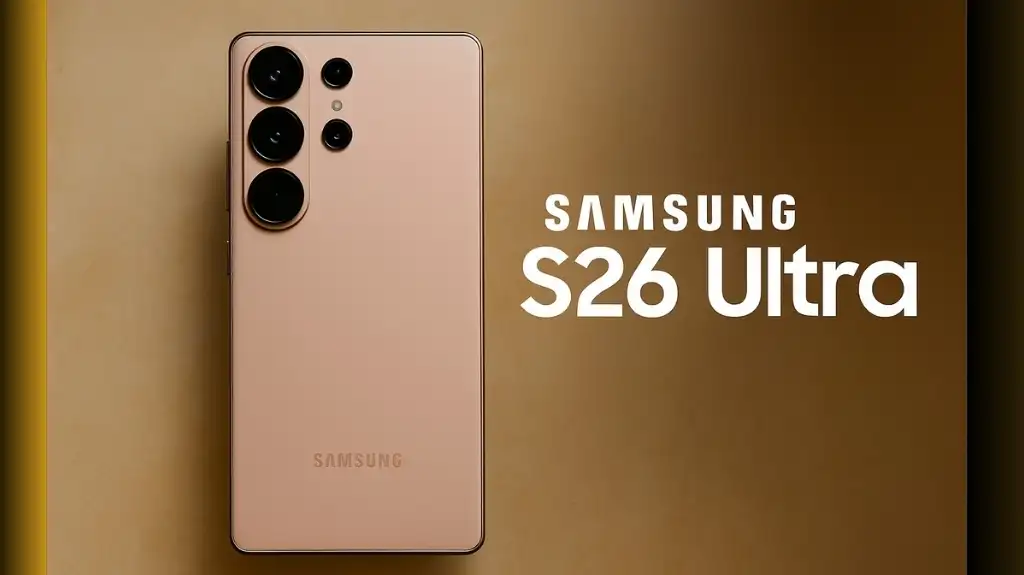
With these powerful sensors and multiple lenses, it’s likely that the Galaxy S26 Ultra will adopt a camera island design, similar to what we saw in previous flagship Samsung phones. This will involve a large camera bump to house the upgraded lenses, especially the oversized 200MP sensor.
While a more pronounced camera bump might detract slightly from the sleekness of the phone’s overall design, it’s a necessary trade-off to accommodate the advanced optics that make the camera system possible. The bump could also help improve the ergonomics of the phone, giving users a more comfortable grip.
Front Camera: Innovation Meets Functionality
Under-Display Technology: The Future of Selfies?
Rumours surrounding the S26 Ultra’s front camera suggest that it could feature an under-display 12MP selfie camera. This technology would allow for an entirely seamless screen, with the front-facing camera hidden under the display when not in use. This design is one of the most futuristic advancements in smartphone design, offering an uninterrupted display without any interruptions like notches or hole-punch cameras.
However, while the under-display camera technology sounds impressive, there are some challenges that need to be addressed. The quality of selfies may be affected by the display material, which could interfere with the light entering the camera. As a result, the camera might not perform as well as traditional front-facing cameras. Despite this, if Samsung can overcome these hurdles, the under-display camera could provide a truly unique and immersive experience.
Traditional Placement: A Reliable Option
On the other hand, there is the possibility that Samsung might stick with the more traditional hole-punch design, where the front-facing camera is placed within the display, rather than under it. While not as sleek as the under-display option, the hole-punch design has proven to be reliable and performs well, offering high-quality selfies without sacrificing too much screen real estate.
For those who rely on top-notch selfie quality, the traditional placement might be the safer choice for now, especially if Samsung’s under-display camera doesn’t meet expectations in terms of performance.
Aperture and Low-Light Performance: Improving Every Shot
Variable Aperture: Adapting to Lighting Conditions
One of the standout features from previous Galaxy devices is the variable aperture system, and Samsung is expected to bring it back in the S26 Ultra. This system allows the camera to adjust the aperture size, depending on the lighting conditions.
In bright light, the camera’s aperture can shrink, providing a sharper depth of field and greater detail. In low-light conditions, the aperture can widen, allowing more light to reach the sensor and resulting in brighter, more detailed images with less noise. This flexible approach gives the Galaxy S26 Ultra a significant advantage over competitors in various lighting scenarios.
Low-Light Enhancements: Sharper Photos in the Dark
Samsung’s focus on low-light photography is likely to continue with the S26 Ultra. The combination of a large 200MP sensor, variable aperture, and advanced image processing will make it one of the best smartphones for taking clear, detailed photos in low-light environments. Whether you’re capturing the night sky or shooting in a dimly lit restaurant, the Galaxy S26 Ultra promises superior performance when the lights are low.
Pixel Technology and Image Processing
ProVisual Engine: Smarter Image Optimisation
The ProVisual Engine is Samsung’s proprietary image processing software, designed to adapt to different scenes and lighting conditions to produce the best possible results. It uses advanced algorithms to adjust things like exposure, white balance, and contrast, ensuring that every shot looks its best without requiring manual adjustments.
This technology is particularly useful for photographers who prefer a more “set-it-and-forget-it” approach, as it intelligently recognises the scene and makes real-time adjustments to enhance the overall image quality.
Sensor Size and Pixel Density: Capturing More Detail
With the addition of a larger 200MP sensor, the Galaxy S26 Ultra will likely offer improvements in sensor size and pixel density, which are essential for high-quality images. The increased pixel density ensures that fine details are captured with greater precision, while the larger sensor allows for better low-light performance and a wider dynamic range.
Design and Build: Balancing Aesthetics with Functionality
Camera Bump: A Necessary Trade-off
As discussed earlier, the significant size and number of sensors in the S26 Ultra will likely result in a larger camera bump. This is a common trend in flagship devices, where the performance of the camera system often takes priority over a slim design. While some users might find the bump visually unappealing, it is a necessary trade-off to accommodate the larger lenses and sensors.
Overall Aesthetic: Sleek Yet Powerful
Despite the camera bump, the Galaxy S26 Ultra is expected to maintain a sleek and premium design, with smooth lines and a high-quality finish. Samsung is known for its attention to detail, and the S26 Ultra’s design will likely balance aesthetics and functionality without compromising on either.
Battery and Charging: Powering the Beast
Battery Capacity: A 5000mAh Powerhouse
To support the high-performance camera system, the S26 Ultra is expected to feature a 5,000mAh battery, which should provide ample power to keep the device running throughout the day, even with extensive use of the camera.
Charging Speed: Fast Charging for a Demanding System
The device is rumoured to support 65W wired charging, which would allow users to charge the phone rapidly, ensuring that the camera system, as well as the display and processor, are always ready to go. This fast-charging feature will make it easier for users to stay powered up during long photography sessions or video recording.
AI and Computational Photography Enhancements
AI-Powered Features: Smarter Photography
The Galaxy S26 Ultra is expected to feature advanced AI-powered features, such as scene detection, real-time adjustments, and automatic portrait enhancements, which will allow users to capture the perfect shot every time, regardless of the environment. This AI-driven approach takes the guesswork out of photography, ensuring that every image looks as good as possible with minimal effort.
Smart HDR & Night Mode: Optimising Every Shot
In addition to the AI-powered features, the S26 Ultra will likely see improvements in Smart HDR and Night Mode, which enhance photos in both bright and dark conditions. These features automatically optimise exposure, colour balance, and noise reduction, resulting in images that look natural and clear, even in challenging lighting situations.
Video Capabilities: Cinematic Recording
The S26 Ultra is also expected to take video recording to the next level, with 8K video support and real-time stabilisation. These features will allow for incredibly smooth and detailed video footage, even during movement. Enhanced audio features and scene transitions will further enhance the overall videography experience.
Conclusion: The Ultimate Camera Phone
The Samsung Galaxy S26 Ultra is shaping up to be a true flagship device, particularly for those who are passionate about photography and videography. With a 200MP main sensor, dual telephoto lenses, advanced low-light capabilities, and AI-driven enhancements, this phone could easily become the go-to device for professional photographers and content creators.
While some details are still speculative, it’s clear that the Galaxy S26 Ultra will push the boundaries of what we can expect from mobile cameras. If you’re looking for the ultimate smartphone for capturing stunning photos and videos, the Galaxy S26 Ultra may very well be the device to look out for.
FAQs
What is the expected camera resolution of the Galaxy S26 Ultra?
The Galaxy S26 Ultra is rumoured to feature a 200MP main sensor, offering unprecedented detail in photographs.
Will the Galaxy S26 Ultra have an under-display selfie camera?
There are rumours suggesting an under-display 12MP selfie camera, though this has not been confirmed.
How will the new aperture system affect photo quality?
The reintroduction of a variable aperture system is expected to enhance low-light performance and provide better control over depth of field.
What improvements are anticipated in zoom capabilities?
The addition of a 12MP 3x zoom and a 50MP 5x zoom lens is expected to significantly improve zoom functionality.
Will the camera design change in the Galaxy S26 Ultra?
Speculations suggest a return to a camera island design to accommodate the larger sensors, marking a departure from the current design.
How will AI enhance the Galaxy S26 Ultra’s camera?
AI will play a significant role in features like scene detection, Smart HDR, and Night Mode, enhancing the overall quality of photos and videos.