
Blog
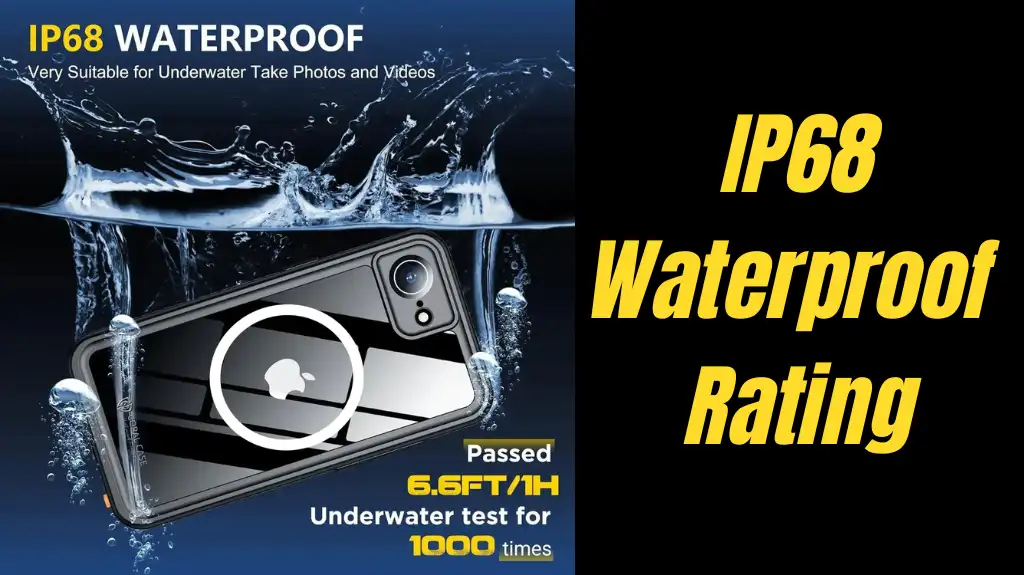
What Is IP68 Waterproof Rating for Waterproof Phone Cases and Why It Matters
Aug
In today’s fast-paced world, smartphones have become an essential part of our daily lives. Whether it’s for work, entertainment, communication, or navigation, our phones are almost always within arm’s reach. But with this dependency on technology comes a significant risk – water damage. Whether it’s a spilled coffee, an unexpected downpour, or a drop in the pool, water is one of the leading causes of smartphone damage. This is where waterproof phone cases come into play.
The demand for durable, protective phone accessories has skyrocketed, as users seek to protect their devices from various environmental hazards. Waterproof cases, specifically those with an IP68 rating, are particularly sought after. But what exactly does an IP68 rating mean? Why does it matter? Understanding this rating is key to ensuring that your device stays safe and secure when exposed to the elements. Let’s dive into the details of the IP68 waterproof rating and why it should be a top consideration when choosing a waterproof case for your phone.
What Is the IP68 Rating?
Breaking Down IP68
The term “IP” stands for Ingress Protection, which refers to the level of protection a device or case offers against solids (like dust) and liquids (like water). The rating is typically composed of two digits: the first digit refers to the level of protection against solids, and the second digit indicates protection against liquids. In the case of IP68, we have:
6: This number represents the highest level of dust protection, which means the case is completely dust-tight. No dust, sand, or other particles can enter the case, making it ideal for harsh environments like beaches or construction sites.
8: This number represents the level of water resistance. An IP68-rated case is built to withstand continuous submersion in water at depths of more than 1 metre for up to 30 minutes or more without damage.
The IP Rating Scale
While IP68 is often considered the gold standard for waterproof protection, it’s useful to understand how it compares to other IP ratings. For example:
IP67: This rating means the device is dust-tight (like IP68) and can withstand submersion in water for up to 1 metre for 30 minutes. The main difference between IP67 and IP68 is that IP68 is tested for deeper and longer submersion.
IPX8: This rating means the device has no dust protection but is highly water-resistant, able to withstand prolonged submersion in water beyond 1 metre.
IP68 stands out because it combines both excellent dust and water protection, making it a superior choice for people looking for a rugged, durable case.
How IP68 Protects Your Device
Water Resistance
The IP68 rating ensures that your device remains protected against various water exposure scenarios. With this level of protection, you don’t have to worry about your phone being damaged if it accidentally falls into a puddle, is exposed to rain, or is submerged in water for a short period of time. The typical 1.5-metre depth for up to 30 minutes is more than enough to handle most everyday water-related incidents.
Here are some scenarios where an IP68-rated case offers excellent protection:
Rain or splashes: Whether you’re caught in a light shower or spill water on your phone, an IP68 case will protect it from water damage.
Accidental drops in water: If your phone slips out of your hand and falls into a pool or sink, an IP68-rated case will safeguard your device from water immersion.
Submersion: While the rating guarantees protection for depths up to 1.5 metres or more, it’s important to remember that deeper submersion may affect performance.
Dust and Debris Protection
The 6 in the IP68 rating ensures that your phone is completely dust-tight. This feature is vital for individuals who work in environments with lots of dust, dirt, or sand, such as construction sites, beaches, or hiking trails. It prevents particles from entering the phone case and potentially damaging sensitive components. Whether it’s sand from the beach or debris from the outdoors, the IP68 case provides a much-needed barrier against the elements.
Common Misconceptions About IP68
Not Always “Waterproof”
One of the most common misconceptions about IP68-rated cases is that they make phones “waterproof.” In reality, while IP68 provides strong protection, it’s not invincible.
For example, an IP68 case won’t protect against high-pressure water jets, such as those from a power washer or underwater diving. It’s essential to understand that the rating applies to static water immersion (like a phone submerged in a pool or dropped in a puddle), but it doesn’t guarantee protection in dynamic, high-pressure environments.
Temperature Sensitivity
Another point to consider is that extreme temperatures can impact the performance of your IP68 case. Cold water or hot environments can cause the materials in the case to shrink or expand, potentially compromising its water-tight seal. Similarly, saltwater, which is more corrosive, can cause damage over time, even if your phone is rated for IP68.
The Science Behind the IP68 Rating
Testing Standards
The IP68 rating is not arbitrary; it’s based on rigorous testing standards. To achieve the IP68 certification, devices are subjected to a series of controlled tests. For the dust protection (represented by the ‘6’), the device is exposed to fine dust particles in a chamber, ensuring that no particles can enter the device.
For water protection (represented by the ‘8’), the device is submerged in water for a specified time—usually for 30 minutes at a depth of 1.5 metres or more. This ensures that the device can endure everyday water-related incidents without damage.
Real-World Performance
While the tests are thorough, real-world performance may differ. For example, a phone might survive a 30-minute swim in a pool, but prolonged exposure to saltwater or chlorine could eventually degrade the protective properties of the case. Similarly, the case might withstand rain or spills, but high-pressure environments (like waterfalls or power washers) could still cause damage.
How to Choose the Right Waterproof Case
What to Look For
When shopping for an IP68-rated waterproof case, there are several factors to consider:
Ease of Access: Look for cases that allow easy access to ports, buttons, and the camera without compromising waterproof protection.
Screen Protection: Some waterproof cases include built-in screen protectors to prevent scratches and cracks, which is a great added benefit for protecting the screen from water exposure.
Durability: Opt for cases made from high-quality materials that can withstand not only water but also impacts and drops.
Compatibility
It’s essential to ensure that the case is designed specifically for your phone model. Not all cases fit every device perfectly, and a poorly fitting case may not offer full protection. Be sure to check for compatibility with your phone’s size, shape, and features.
Additional Features to Consider
Some waterproof cases go beyond just water protection. Features such as shock resistance, anti-scratch surfaces, and drop protection can be incredibly beneficial in keeping your device safe from accidental damage. Be sure to consider these additional benefits when choosing a case.
Benefits of IP68 Waterproof Cases
Peace of Mind
Owning an IP68-rated waterproof case provides peace of mind. Whether you’re going for a run in the rain, taking your phone to the beach, or just trying to protect it from spills in your bag, knowing your phone is safe from water damage is incredibly reassuring.
Increased Longevity
An IP68-rated case can help extend the life of your phone by preventing water-related damage, one of the most common causes of device failure. The protection from rain, spills, and even submersion can save you from costly repairs or replacements down the line.
Resilience in Extreme Conditions
From adventurous outdoor activities to everyday situations like a coffee spill, IP68-rated waterproof cases are built to handle tough conditions. They are perfect for individuals who enjoy hiking, swimming, or simply want to ensure their device is protected from the unpredictability of daily life.
Testing the Limits of IP68 – What It Can’t Protect Against
Water Pressure
Although IP68 cases are designed to withstand water submersion, they cannot protect against high-pressure water jets, such as those from a power washer. If exposed to such pressures, even an IP68-rated case could fail.
Submersion Depth and Duration
While IP68 guarantees protection up to 1.5 metres for 30 minutes, deeper submersion or longer durations might exceed the case’s capabilities. It’s essential to know your limits and avoid exposing your phone to situations beyond the standard testing conditions.
Extreme Conditions Beyond Water
An IP68 case provides excellent protection against water and dust, but it doesn’t shield from extreme physical impacts like dropping your phone from a height or crushing forces. Always consider the potential for physical damage and choose cases that offer additional drop protection if necessary.
How IP68 Compares to Other Waterproof Standards
IP67 vs IP68
The primary difference between IP67 and IP68 is the depth and duration of water resistance. While IP67 protects against water submersion to 1 metre for 30 minutes, IP68 typically covers deeper submersion (over 1 metre) and may offer longer protection. For most users, IP67 provides sufficient protection, but if you plan to expose your phone to more extreme conditions, an IP68-rated case may be the better choice.
IPX Ratings
Devices rated with an IPX rating are tested only for water resistance and lack dust protection. IPX-rated cases may not offer the same level of protection as an IP68-rated case, which provides both dust and water resistance.
Is IP68 Waterproofing Enough for Everyone?
Who Needs IP68 Protection?
Active individuals who frequently spend time around water or in dusty environments will benefit greatly from an IP68-rated case. This includes swimmers, hikers, parents, and professionals working in harsh conditions.
When to Consider Other Options
For people who rarely face water-related challenges, a lower-rated case like IP67 or a non-waterproof case may suffice, offering adequate protection while saving on cost.
Real-Life Use Cases of IP68 Waterproof Phone Cases
Customer Stories
Real-world examples of how IP68-rated cases have saved phones from water damage can be compelling. Share stories from customers who have tested their waterproof cases during beach trips, accidental drops in the pool, or a spontaneous swim.
Brand Comparisons
Compare popular brands offering IP68-rated waterproof cases. Focus on their features, prices, and customer reviews to help readers choose the best case for their needs.
Conclusion
IP68-rated waterproof cases offer a significant layer of protection for your device, safeguarding it against water damage and dust. While no case is entirely impervious to extreme conditions, the IP68 rating ensures that your phone is well-equipped to handle most everyday challenges. Consider your lifestyle, environment, and needs when choosing the right waterproof case, and rest easy knowing your phone is protected from the elements.